Under Construction
Anesthesiology is a critical field in modern healthcare, focusing on perioperative care, pain management, critical care, and emergency services. It is a dynamic and challenging medical specialty that blends science and art in the care of surgical and critically ill patients. Beyond hospitals, anesthetists support community health through preventive and curative services. The field evolves rapidly, requiring graduates to stay up to date on new techniques, educational methods, and innovations to ensure high-quality patient care.
In Ethiopia, non-physician anesthesia training began in the mid-1970s at the Duke of Harar Memorial Hospital (now Tikur Anbessa Specialized Hospital). Over time, programs expanded from advanced diplomas to BSc and master’s degrees. The ‘generic’ BSc program, launched at the University of Gondar in 2003, allows students to enter anesthesia training directly after school. Today, most anesthesia services are provided by non-physician anesthetists, but shortages remain due to long training periods and limited retention.
To address these gaps, the Federal Ministry of Health developed a nationally harmonized, competency-based curriculum for the generic BSc program in 2019, which was revised to an outcome-based curriculum in 2025, to ensure clear objectives and alignment with national anesthesia service needs. The program integrates new modules recommended in the national education roadmap (2018–2030) to produce graduates equipped for modern surgical care.
Overview of the anesthesia department
The Department of Anesthesia at Wollega University, established in 2019, enrolled 17 students in its first class. The department emphasizes training ethical, competent professionals through a combination of classroom learning and hands-on clinical experience in affiliated hospitals. Students gain practical skills in operating theatres, intensive care units, and emergency settings, preparing them to deliver safe anesthesia care.
Beyond teaching, the department engages in research, clinical services, and community health initiatives, contributing to patient safety and advancing anesthesia practice.
The generic BSc anesthesia program combines general education, biomedical sciences, social and population health, and specialized clinical anesthesia modules. Students gain foundational knowledge in subjects such as anatomy, physiology, pharmacology, and anesthesia principles, as well as key clinical areas including internal medicine, surgery, orthopedics, pediatrics, and obstetrics.
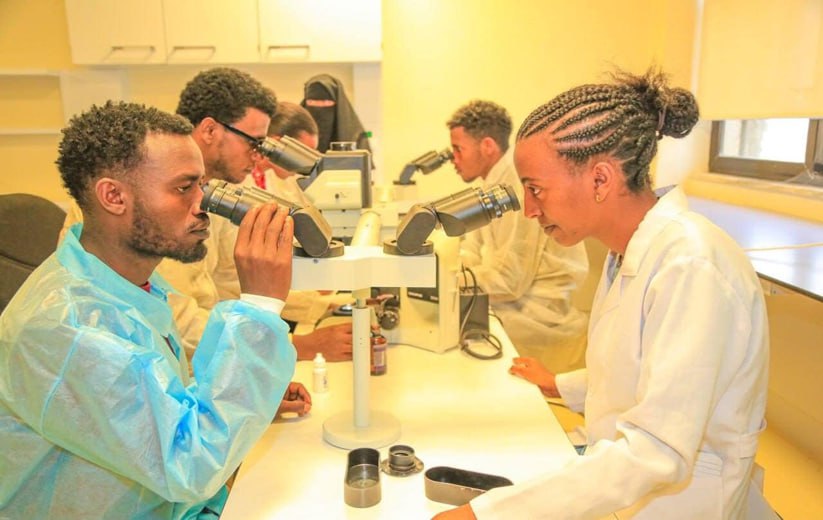
Hands-on learning is central to the program. Through skill labs and hospital attachments, students develop the practical and professional abilities needed for perioperative care. Clinical rotations in operating theatres, intensive care units, and emergency departments further build their confidence and competence, preparing them to provide safe and effective anesthesia care.
Leadership History of the Department of Anesthesia
The Department of Anesthesia was established in 2019 GC., marking an important step in strengthening anesthesia education and clinical services within the institution. Since its establishment, the department has been guided by committed leadership that has contributed to its growth and development:
- Nega Desalegn (MSc, Assistant Professor) served as the founding Head of the Department from 2019 to 2023 G.C. He played a key role in laying the foundation, organizing academic programs, and initiating clinical training services.
- In 2023 G.C., leadership was transitioned to Gutu Leta (MSc, Lecturer), who continued building on the established groundwork, strengthening academic activities, and supporting the expansion of departmental functions.
- In 2026, G.C. Gemechis Akuma (MSc, Lecturer), assumed the position of Department Head. Under his leadership, the department has focused on improving training quality, advancing academic performance, and enhancing service delivery.
Administrative Structures:
- Academic and Service Department Head
- Academic and Service Department Vice Head
- Examination Committee focal person
- Curriculum Committee focal person
- Discipline committee focal person
- Quality assurance focal person
- Social and gender focal person
Research and community service Committee focal person
Overview
- The Department of Reproductive and Family Health at Wallaga University began in 2016 E.C as a Department within the Institute of Health Sciences, under the School of Public Health.
- The Department of Reproductive and Family Health is one of the core academic units within the Institute of Health Sciences at Wallaga University. The Department was established to advance education, research, and community service in key areas of reproductive, maternal, new-born, child, and adolescent health. Since its establishment, the Department has played a central role in training competent public health professionals equipped with the knowledge and skills to address Ethiopia’s priority health challenges.
- The Department offers high-quality teaching at undergraduate and postgraduate levels, with a curriculum that integrates theoretical knowledge, practical field experience, and research competency. Through its academic programs, the department prepares students to become leaders in reproductive health, family planning, safe motherhood, fertility and infertility care, adolescent health, gender and sexuality studies, and public health research.
- Research is a major pillar of the department’s activities. Staff and students actively engage in research addressing maternal mortality, family planning uptake, adolescent reproductive health issues, gender-based violence, and other public health concerns relevant to the region and the country.
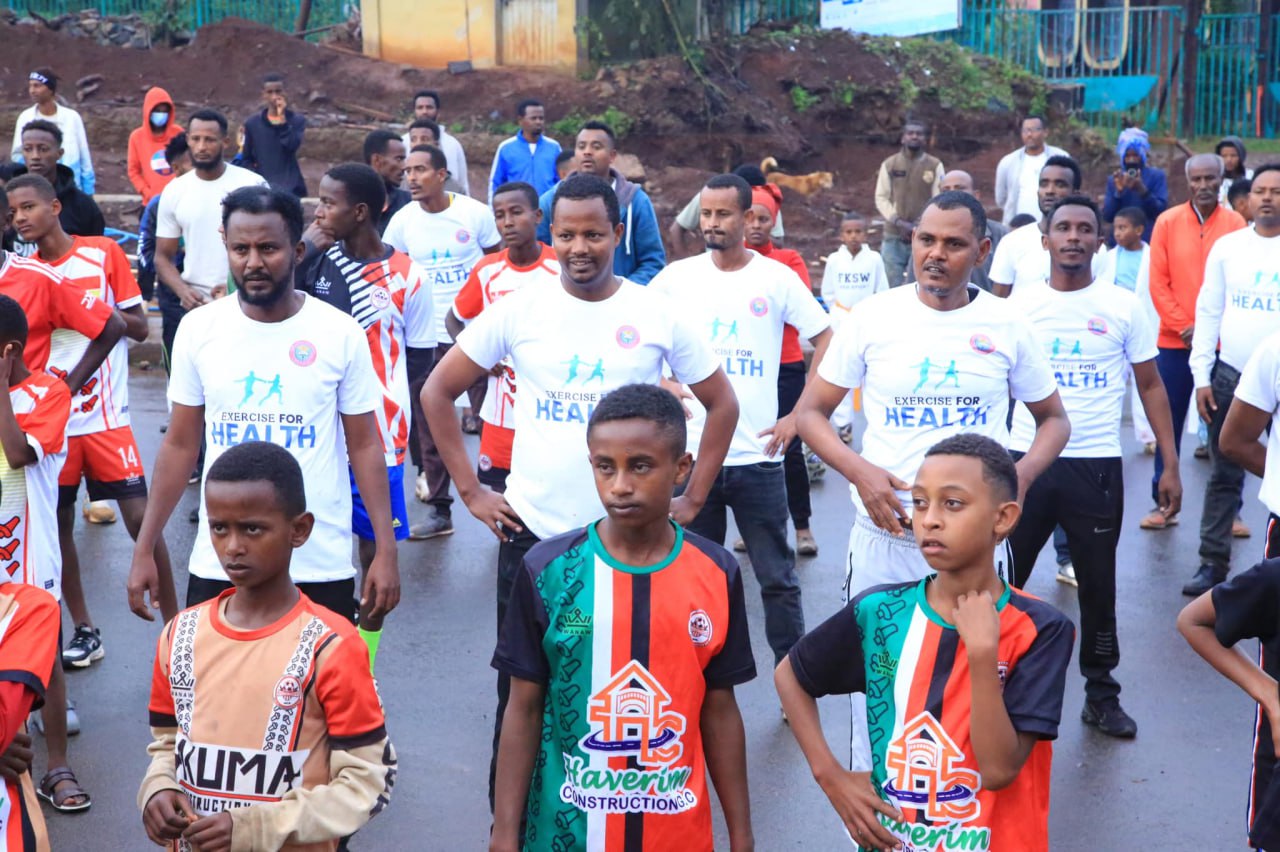
- In addition to teaching and research, the Department of Reproductive and Family Health provides outreach services and community engagement. Through fieldwork programs, health education campaigns, and partnerships with local health institutions, the department contributes to improving reproductive and family health outcomes in surrounding communities.
- Overall, the department remains committed to producing well-trained professionals, generating impactful research, and supporting community health initiatives in alignment with Wallaga University’s mission to advance education, health, and development.
The department of Epidemiology and Biostatistics is a cornerstone of the School of Public Health, dedicated to advancing public health through rigorous scientific inquiry and education. Our department builds upon a strong legacy, having established in 2014 as the Master of Public Health (MPH) program in Epidemiology within the Department of Public Health. To date, we have graduated over 100 MPH specialists in Epidemiology.
In a strategic enhancement, the program has been elevated to form the new department of Epidemiology and Biostatistics. The synergistic integration of these two disciplines provides a powerful, complementary foundation for public health research and practice, offering students an unparalleled, integrated educational experience.
This department has three missions: conduct innovative research, address pressing public health challenges, and teaching both undergraduate and postgraduate courses. Our distinguished department staff’s members are mentoring the next generation of public health leaders and researchers. This is evidenced by the success of our graduates, who have attained influential positions in governmental and non-governmental organizations.
Currently, the department continues to admit MPH students in Epidemiology through different modalities and currently supporting a cohort of approximately eight students. Beyond training knowledgeable and committed professionals, the department actively fulfills its duties to local, regional, and national communities, translating research into impactful public health action.