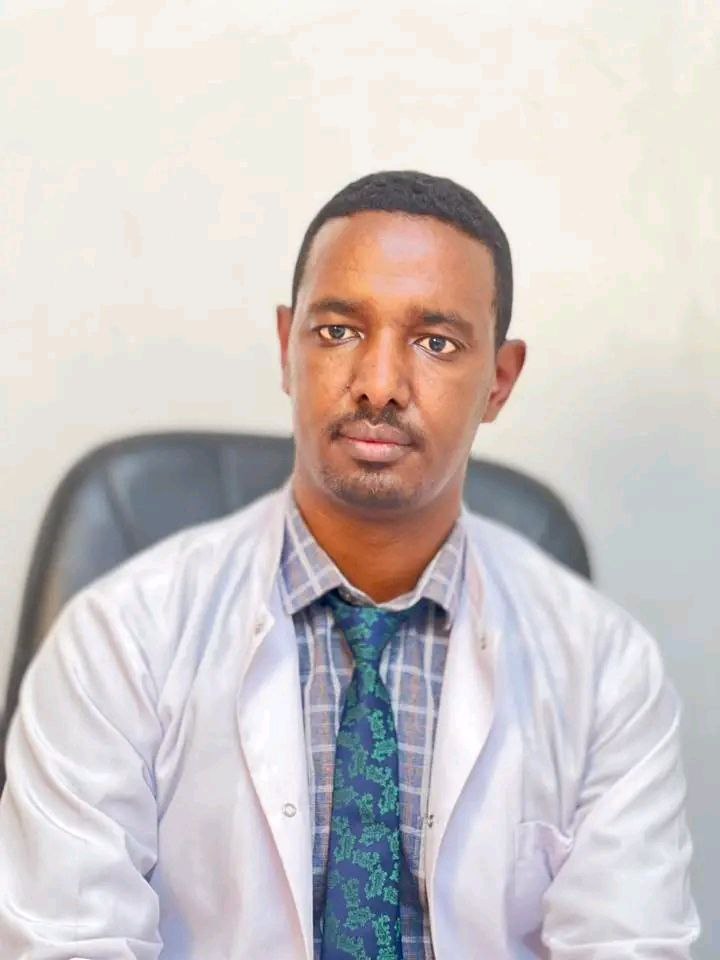
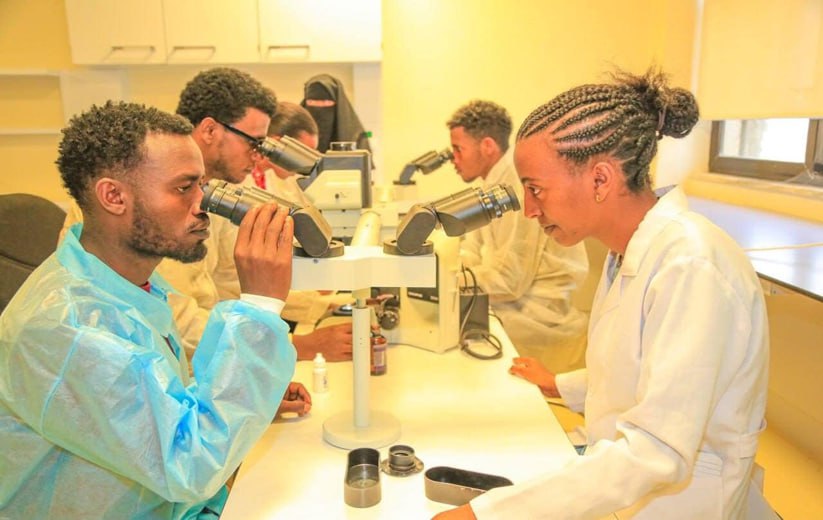
Dagim Samuel Temesgen (B.Pharm, DVM), Lecturer of Pharmacology
Admission requirements will be as per the University Senate Legislation
The University shall admit for undergraduate studies:
- Students who have completed Ethiopian high school education and satisfy its entrance qualification assessments.
- Applicants with foreign high school education of equivalent level to the Ethiopian high school education, as determined by the Ministry of Science and Higher Education, and who satisfy entrance requirements
- Considering the extensive practical attachments of the program, students with major disabilities (vision, mobility and hearing-related problems or those who cannot effectively use both hands) shall not be admitted
- Requests for transfer from other departments/disciplines shall be handled based on the relevant university regulation/senate legislation
Special Admission
Special admissions may be granted to attract potentially resourceful candidates such as mature students. Such special admissions shall be decided based on relevant university specific legislations and guidelines in line with the National direction.
Vision
To be a center of excellence in pharmaceutical education, research, and patient-centered care, recognized globally for advancing health through innovation, ethical practice, and service to humanity
Mission
The Department of Pharmacy is committed to:
- Educating and empowering competent, compassionate, and innovative pharmacists and pharmaceutical scientists.
- Advancing pharmaceutical sciences through impactful research and discovery.
- Delivering exemplary patient-centered pharmacy services in collaboration with healthcare teams and the community.
- Promoting safe, rational, and equitable use of medications to improve health outcomes and quality of life.
A. Academic Objectives (Education & Research)
Educational Objectives
- Curriculum Excellence: Design and regularly update an integrated, competency-based curriculum that meets national and international accreditation standards
- Knowledge & Skills: Produce graduates who possess deep knowledge of pharmaceutical sciences (pharmacology, pharmaceutics, clinical pharmacy, pharmacotherapy) and essential skills in communication, critical thinking, and problem-solving.
- Clinical Readiness: Ensure students can perform medication therapy management (MTM), patient counseling, medication safety reviews, and interprofessional collaboration upon graduation.
- Ethical & Legal Foundation: Instill strong ethical principles, legal knowledge, and professionalism in all aspects of pharmacy practice.
- Lifelong Learning: Foster habits of self-directed learning and professional development to adapt to evolving healthcare needs.
Research Objectives
- Innovative Discovery: Encourage faculty and student research in drug development, formulation, pharmacokinetics, pharmacogenomics, and clinical trials.
- Evidence-Based Practice: Generate and translate research findings into evidence-based guidelines for pharmacy practice and patient care.
- Grant & Publication Output: Increase extramural funding, peer-reviewed publications, and presentations at regional/international conferences.
- Collaboration: Establish interdisciplinary research collaborations with medical, nursing, public health, and basic science departments.
- Student Research Integration: Mandate or strongly promote research projects or capstone experiences for undergraduate and postgraduate students.
B. Service Objectives (Patient Care & Community Outreach)
Clinical & Patient Care Service Objectives
- Medication Safety: Implement systematic medication reconciliation, error reporting, and adverse drug reaction monitoring in affiliated hospitals or clinics.
- Patient Counseling: Provide comprehensive counseling to every patient on drug indication, dosage, administration, side effects, storage, and adherence.
- Therapeutic Monitoring: Offer pharmacokinetic consultation, dose adjustment, and monitoring for narrow-therapeutic-index drugs (e.g., warfarin, aminoglycosides).
- Chronic Disease Management: Run pharmacist-led clinics (e.g., diabetes, hypertension, asthma, anticoagulation) to optimize therapy and reduce hospital readmissions.
- Drug Information Service: Operate a drug information center to answer queries from healthcare professionals and the public, promoting rational medicine use.
Community & Public Health Service Objectives
- Health Screening & Immunization: Organize regular health camps (blood pressure, blood glucose, cholesterol) and, where legally permitted, provide pharmacist-administered immunizations.
- Medication Disposal & Stewardship: Lead safe medication disposal programs and antimicrobial stewardship initiatives in community and hospital settings.
- Public Education: Conduct outreach programs on topics like antibiotic resistance, smoking cessation, over-the-counter drug safety, and medication adherence.
- Telepharmacy Services: Extend pharmaceutical care to rural or underserved populations through digital platforms.
- Disaster & Emergency Preparedness: Develop and participate in plans for medication supply chain management during public health emergencies.
C. Overarching / Institutional-Level Objectives
- Quality Improvement: Continuously monitor and improve key performance indicators (KPIs) — e.g., student pass rates (≥80%), research output (≥2 papers/faculty/year), patient satisfaction with pharmacy services (≥85%).
- Accreditation & Compliance: Maintain full compliance with regulatory bodies (Interprofessional Integration: Embed pharmacy students and faculty into medical rounds, primary care teams, and community health projects.
- Alumni & Stakeholder Engagement: Forge strong networks with alumni, employers, hospitals, and pharmaceutical industry partners to inform curriculum and placement.
 Full Name: Temesgen Dinsa Biyi
Academic Rank: Lecturer
Field of specialization: Pharmaceuticals Supply Chain Management
Position: Department Head
Department: Pharmaceutics and Supply Chain Management
Research interest: Pharmaceuticals supply Chain Management, Digitalization in SC, and Effect of AI on PSCM
Phone Number: +251-964199288
Email:
- The candidate to be enrolled to the MSc in Pharmaceuticals Supply Chain Management should hold B. Pharm Degree from a recognized College/ University.
- Have a cGPA of at least 2.00 in undergraduate study.
- At least three consecutive years work experience in health facilities, pharmaceuticals Industry, and other organizations for applicants from services based organizations and one year for applicants from academic institutions
- Applicant must pass National Graduate Admission Test (NGAT)
- Applicant’s whose age is less than or equal to 40 years will be considered
- Candidates who pass the preliminary screening for the above criteria can be invited for an entrance examination.
- Candidates must pass both written examination (>50%) and interview (>50%) that is prepared to assess the individual’s competences and preparedness to pursue a graduate program.
Vision
In line with the university vision, the vision of the program is to become the leading department in Pharmaceuticals supply chain Management in teaching, research and community service in Africa by 2033 GC.
Mission
The mission of masters of sciences training in Pharmaceuticals Supply chain Management is to produce competent graduate, who will be able to apply his/her knowledge, skills, and attitudes as Caregiver, Decision-maker, Communicator, Manager, Life-long-learner, Teacher, Leader, and Researcher in their future career opportunities.
Objectives
- To produce professionals who can strategically coordinate activities of selection, forecasting, inventory, procuring, transportation, and warehousing of Pharmaceuticals within a particular company and across business within the supply chain
- To strengthen the services of public, private and other institutions those are responsible for the supply of pharmaceutical in the country.
- To produce professionals who can effectively handle both domestic and foreign procurement of Pharmaceuticals.
- To equip students with the scientific knowledge required to transform a raw chemical substance into a viable medication
- To ensure the student understands how the body interacts with the drug delivery system and to manipulate a formulation to control the drug's release and absorption.
|
Assistant Professor of Medical Radiology Medical Radiology Department Head e-mail: |
Assistant Professor of Medical Radiology
e-mail: |
 Dr. Diriba Habtamu
|
Assistant Professor of Dermatology and Venerolgy |